Selecting the right dog for your lifestyle
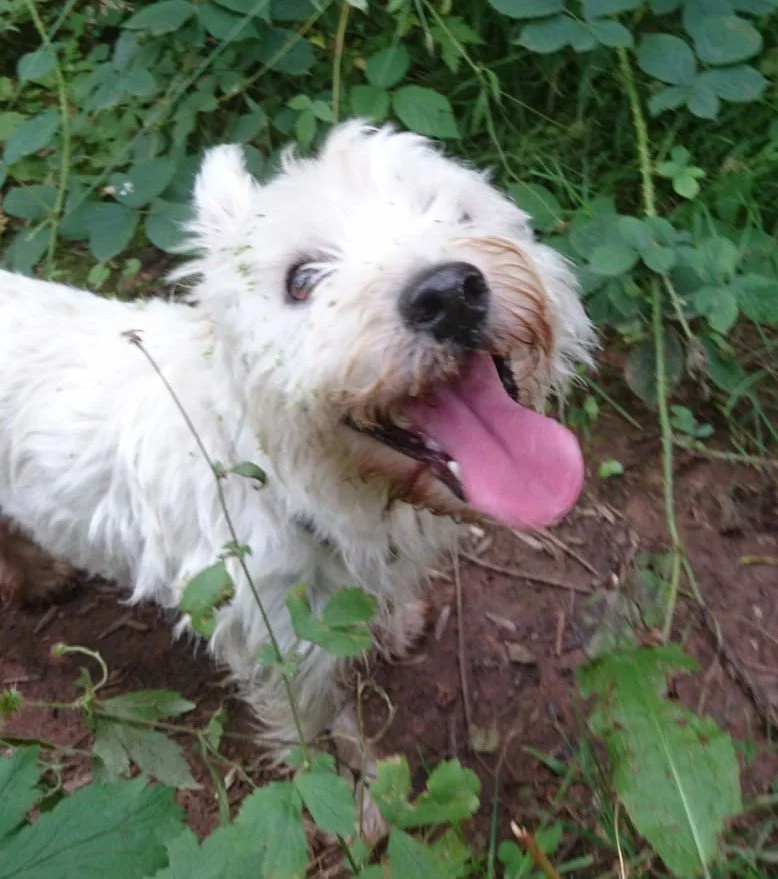

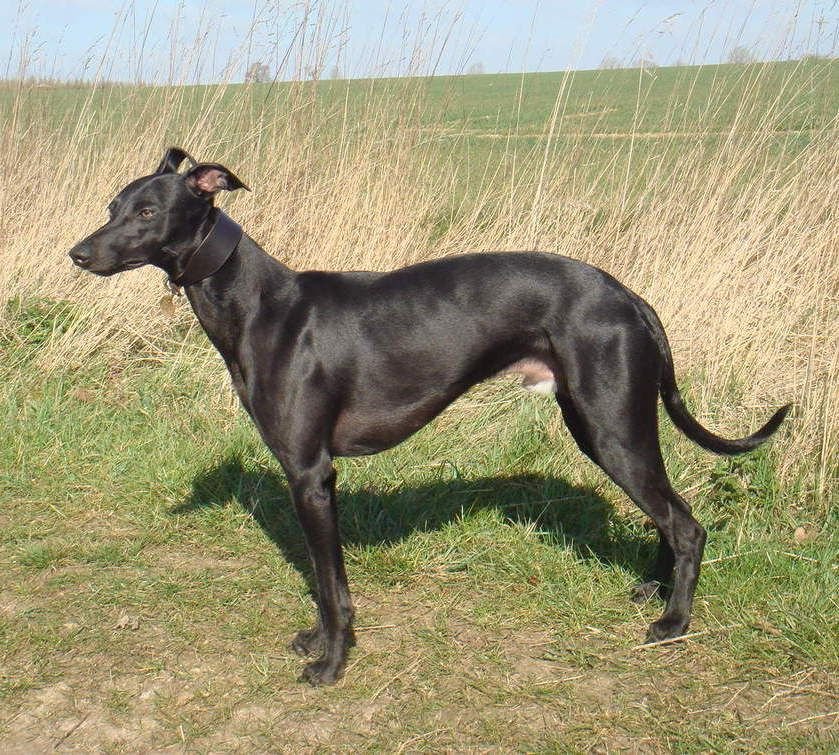
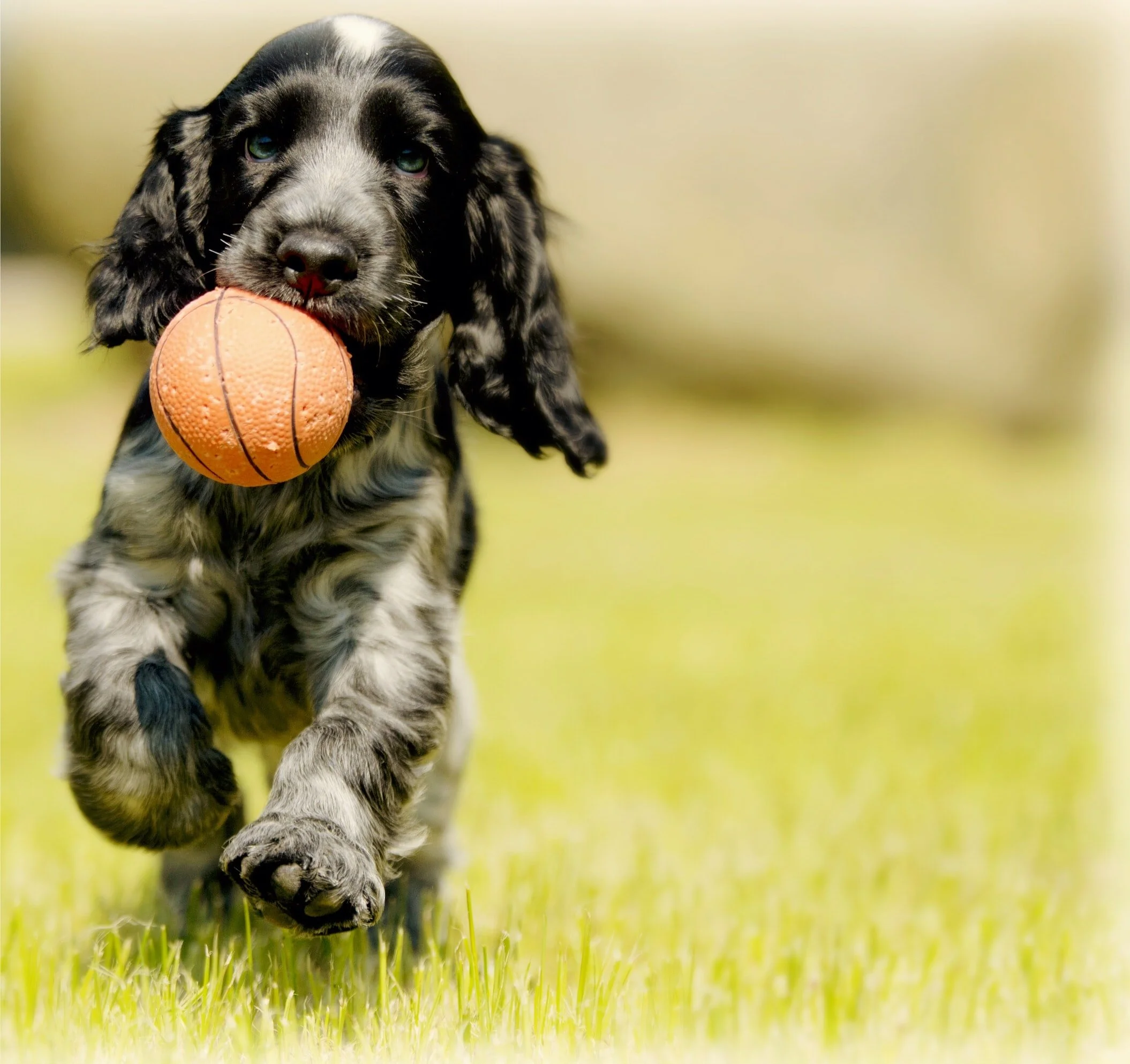
So many people don’t really know what they are getting into when they adopt a dog or a puppy. There’s often a lot of emotion involved and many of us fall in love with a cute face or an appealing look and are hooked! You may have fallen for this little guy, but what sort of characteristics will this dog have as an adult?
It is so important to consider the right dog for your lifestyle. How much time do you have for training and exercise? Where do you live? Do you work away from home? Who else lives in your home? So many questions must be answered if you want to find the right dog for you.
Being aware of breed specific traits is a good starting point in choosing a dog, but by no means a guarantee of behaviour. While breed-specific traits can provide valuable insights, a dog's behaviour is so much more complex than that. If you believe that all dogs of a particular breed will behave in the same way, you are ignoring the influences, not only of varying genetic inheritance, but also early experiences, socialisation and training influence and other environmental factors. If the dog you are considering is a mixed breed, breed inheritance may influence behaviour but recognising and appreciating the unique personality of each dog is crucial for understanding and nurturing their individual needs.
Having said that, it’s worth being aware of some of the likely character traits of the breed type you are looking at. Although your dog may turn out to be quite different from what the books say, there are likely to be at least some influences on their behaviour, from their genetic make-up.
Here are just a few breed examples of breed characteristics to think about.
Border Collie:
High energy, intelligent, sensitive and can be overly focused on herding people or animals. Not suited for small apartments or owners with limited time for exercise. A Border Collie may round up your children, the local ducks or sheep and try to stop your visitors leaving the house. He is likely to have boundless energy and a strong need for intellectual exercise too. Not an ideal companion for a high rise flat or for someone unable to walk far.
Golden or Labrador Retriever:
Friendly, eager to please, and easy to train, although hairy and find mud anywhere! These dogs enjoy socializing and are great for families. A Golden Retriever or Labrador Retriever may constantly bring you items he has found around the house and joyfully haul branches along for your approval when on walks. The clue is in the name! They tend to be easy to socialise and straightforward to train with positive methods and praise.
Terriers:
Bred to hunt, they can be stubborn, energetic, loving and faithful. They thrive with training that challenges their minds. Terriers are bred to hunt and kill prey so may demolish that squeaky toy in a few moments, dig up your garden and terrorise next doors’ chickens. He is likely to be very loyal, courageous and sometimes challenging to train. Get it right, challenge his brain and your terrier will adore you for ever.
Cocker Spaniel:
Known for chasing birds (or anything really!), they can be difficult to recall reliably, especially when distracted. They require training to control their instincts. Frustrated owners come to me struggling to perfect the recall with their working Cocker Spaniel when the dog smells a bird, but chasing birds is what working Cocker Spaniels do! If a perfect recall and a calm outlook on life is what you need, then maybe consider a different kind of dog. An untrained spaniel can be a nightmare, but a well-trained spaniel is a delight.
Chihuahua:
Chihuahuas are small, feisty, can live for a long time and are often keen to please. They can very protective and vocal and are not ideal for households with very young children or large, boisterous pets. Small though they are, they need as much training as other dogs.
Husky:
Energetic and intelligent, they require consistent and positive training. They can be stubborn and have a high prey drive. Huskies are friendly, intelligent and energetic dogs needing a great deal of exercise, both physical and mental. They often have a high prey drive and a stubborn streak which necessitates early and ongoing consistent training.
Staffordshire Bull Terrier:
Known for being good with children, they require strong leadership and regular exercise to prevent boredom. Staffordshire Bull Terriers are known for being good with children, which earned them the nickname "nanny dog," but they need people who can provide consistent leadership, training, and plenty of physical and mental stimulation to prevent boredom or destructive behaviour.
French Bulldog:
French bulldogs often have an affectionate, playful, and friendly personality. They are adaptable, intelligent, and often crave human companionship. They can be stubborn though and patience may be needed to train them well. Health problems are common because of their physical conformation.
German Shepherd:
They are great guard dogs but require a lot of early training. A German Shepherd Dog is likely to be loyal, may protect you from approaching strangers, guard your house and keep you all together whenever he can. These dogs may worry about things they are not familiar with and, being guard dogs, are likely to be protective. They can be very sensitive and will need lots of careful and early socialisation.
Hounds.
This group includes Sighthounds - think Greyhound, and Scenthounds like the Blood Hound or Beagle. They are very keen hunters, using their sight or sense of smell to track their prey. This means that they tend to be determined, high energy and independent. Consequently, a reliable recall can often be an issue. Hounds can be aloof but are often affectionate dogs and need significant mental and physical stimulation as well as training, to keep them fulfilled and happy.
Because of their differences, the same approach to training isn’t going to work for all dogs, although there isn’t a domestic dog on the planet that won’t benefit from early socialisation, positive training and good quality, appropriate physical and mental exercise. Tailoring training methods to suit a dog's specific needs and preferences can really enhance their learning experience, and your relationship. Whether it's positive reinforcement, marker training, or behavioural modification, finding the right approach can make training sessions more effective and enjoyable for both you and your pup. Think about what your dog really enjoys and use it to reward them for listening to your cues.
Adopting a dog (of any age) can be hard work for the first year or so but if you put just a few minutes a day into growing your relationship and training your dog, you will be rewarded with years of faithful and loving companionship.
