
What Teaching Recall is really about
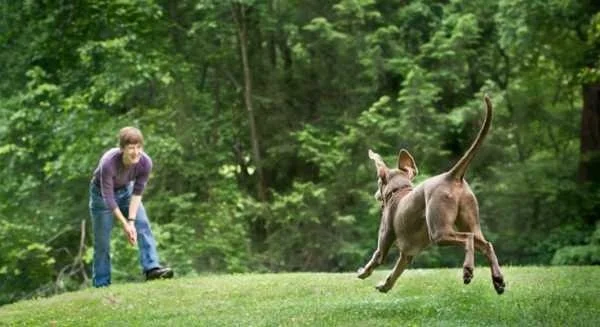
I am often asked to help in training dogs to come reliably when they are called. It’s one of the most important skills for most dog owners, reaching the stage when they can safely allow their dog freedom to run knowing that they can always call them back. Without a rock solid recall, relaxed country walks with your dog by your side can rapidly become a distant dream, especially in a rural area like Monmouthshire where livestock and wildlife are everywhere. Doomed to spend their entire lives on lead when out walking because they can’t be trusted to return, both dogs and their owners can feel disgruntled and miserable.
Just the other day I was approached by a forward-thinking dog owner for advice regarding her new Welsh Terrier pup. As she said, ‘You know what terriers are like, so I am more concerned about teaching him a good recall than anything else’.
I quite understand what she means. Many terriers have such a high prey drive that recall can become a huge challenge as they grow up and gain confidence.
What about other breeds though? Hounds like Beagles and Bassetts are never happier than when their noses are on the ground, spaniels love to chase birds and small animals into the undergrowth, retrievers are born and bred to chase and bring back, collies and other herding types feel the need to gather up anything moving and so it goes on. Each of these innate drives can lead to a dog not returning when called and worse still, can result in dogs becoming lost or damaging livestock and other people’s property.
It really is important to think about and understand your dog’s drives and needs when teaching any skill but particularly important for teaching recall. I have produced many documents and videos describing the basics of training a good recall and how to maintain it. The basis of teaching this skill is repetition, always staying positive and making the experience fun for your dog. But without including an understanding of what dogs need, the process often fails.
This is the first big lesson to learn about training your dog to come when called. You cannot and shouldn’t try, to stop your dog from practising what is natural for them. Diggers need to dig, chasers need to chase, retrievers need to carry. They don’t, however, need to chase in a local farmer’s field where there are newborn lambs or practise their herding skills in the nursery school playground. For many dogs of all breed types, using their noses to forage and explore is massively fulfilling, as are chewing and licking. It’s called engagement of the seeking senses. You can for example, use ACE Free Work, scent work and other breed-related enrichment activities to please and tire your dog. Think about what your dog needs and find safe ways to meet these needs and drives.
So, if your terrier has had the chance to dig in a sandpit and play a balanced and controlled game of tug before you take him for a walk, he is less likely to feel that he can’t resist the local badger sett when you call him away. If your beagle has spent a glorious half hour sniffing through boxes, rags, paper and toys to find a special treat reward, she will be happier to leave the scent of rabbit when you call her in the woods.
To set your dog up for success, start recall training as soon as you adopt your puppy and remember that recall can never, and I mean never, be optional. Coming back to you should be part and parcel of the experience of being with you. When puppies start to grow into adolescents and realise that the world isn’t as intimidating as they feared, they will move further and further away, sniffing, searching, investigating and learning. All these are positive
skills they need to learn but to be safe, well-behaved and bonded companion dogs in a human world they need to balance the freedom of exploration with the security of their relationship with you. You are the centre of their world and understand it far better than they do. The further away from you your dog moves, the less they can be in touch with you and the more likely they are to ignore your calls when engrossed.
Dogs which are given lots of freedom when young and are not expected to come when they are called until they are older, will nearly always grow up to be deaf to recall cues when they are occupied.
That is, unless you reverse this with lots of appropriate and positive training. It’s a lot harder to go back and retrain than it is to offer more freedom slowly over time as your pup learns to handle it. However, it can be done.
Distance and freedom are privileges that your dog should earn over time as they mature, practise new skills, learn about the world and solidify their relationship with you. A dog that has learned impulse control in this way is nearly always a dog that develops a close and loving relationship with their owner in which they listen and respond happily to what they are asked to do.
