How the right bed will help your newly rescued dog to settle in
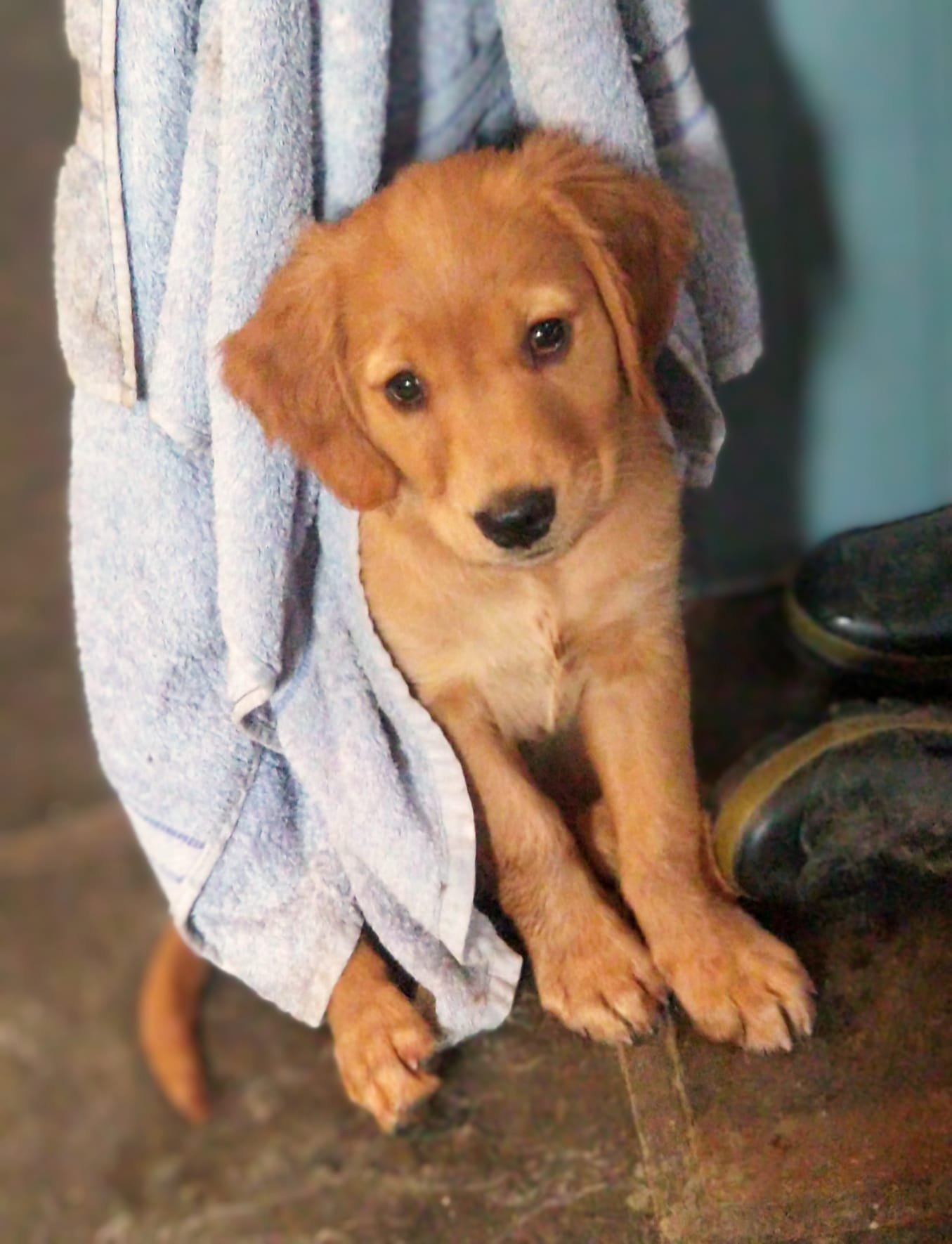
You have found a delightful but fearful rescue dog you want to adopt, care for and take home with you. You may know all about their history or nothing at all, but regardless of where your new companion has come from, you will need to consider carefully how best to settle them into your home.
When presented with a frightened dog who is uncertain of their surroundings and may even never have set foot inside a house before, most humans react with kindness and love. It is very natural for us to offer lots of affection and freedom of choice, in the belief that this will help our new housemate to settle quickly.
Keep in mind though, that dogs think differently from humans and it is important to give your dog guidance and some idea of what is expected of them in their new home. We have bred dogs over many generations to do jobs for us and to live in our human world, and it is our responsibility to help them to deal with it.
What your dog needs most is a feeling of security and that is where their bed is so crucial. A bed is so much more than somewhere to sleep, for any dog let alone a fearful dog. The right set-up will give your dog a safe area to relax in and to decompress when they are feeling anxious. It will help them to settle in much more readily if you consider what they really need.
It’s not just about putting a bed in a corner somewhere or even allowing your dog to find their own preferred place to sleep; it’s about setting up a sanctuary for them that will come to represent calm, safety and peace of mind.
Here are some aspects to consider when setting up your dog’s bed:
Where should the bed be located? Choose a location that is not isolated from the humans in your home but away from busy routes in the house The corner of a room that you spend a lot of your time in is ideal so your dog can observe you and feel connected but not overwhelmed. If your new pet is extremely stressed by the proximity of people, set their bed up outside the room you spend time in, but where they can see you and come to you if and when they feel able.
Avoid putting the bed near a window or door where the dog may react to passersby.
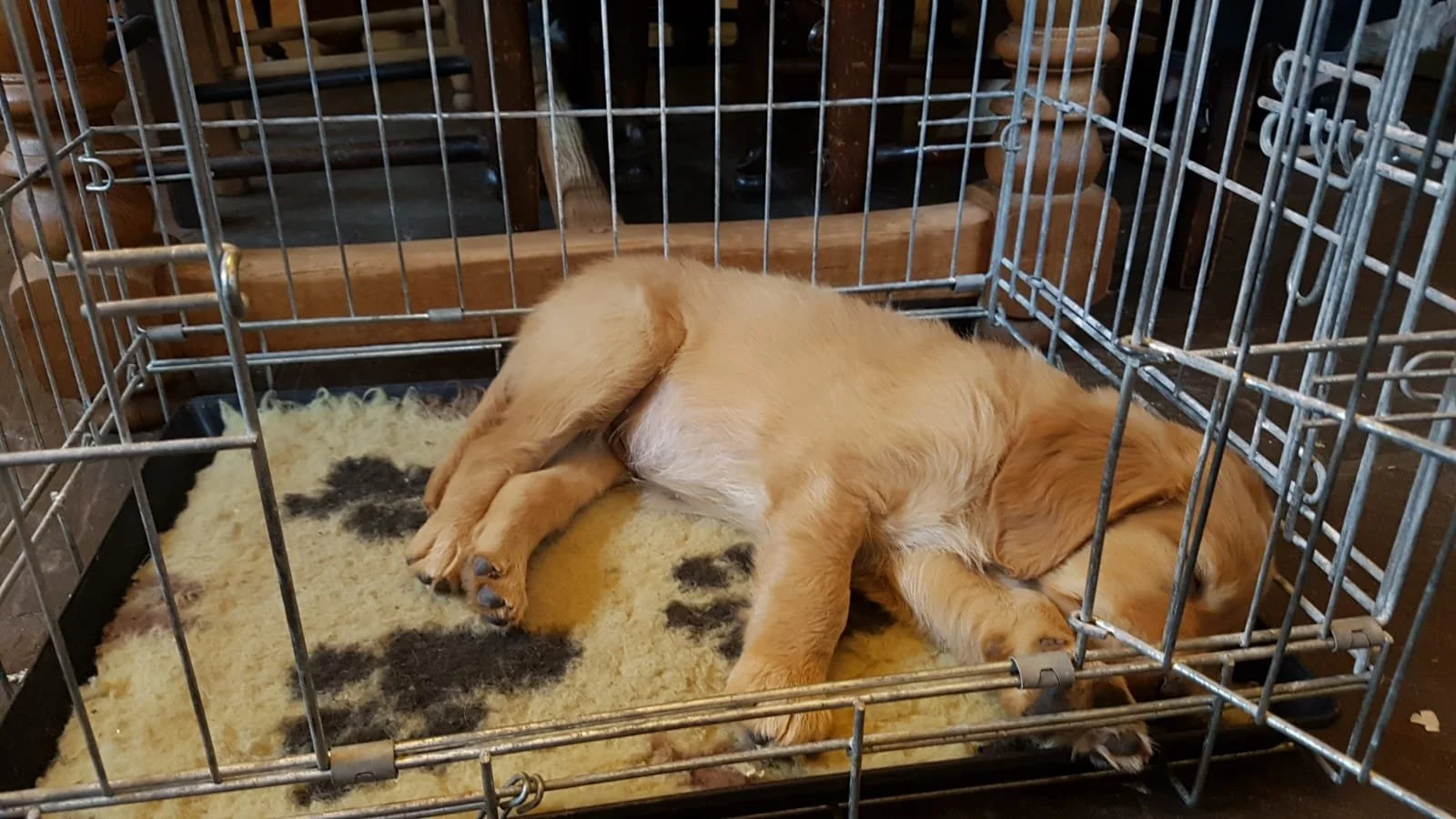
What should the bed look like? Especially when feeling insecure, but generally too, dogs love to create a safe den for themselves. In the wild they might choose a cave or a hole in the ground under foliage, where they can feel secure. One of the best ways to offer your dog this kind of secure feeling is to offer them a crate or other cubby hole. Cover the top and sides with a heavy blanket to create a sense of security. Even though your dog may not make it obvious, the sounds of their new life may be challenging for them so try to muffle startling, unexpected noises by playing classical music, white noise or other means.
You might even consider placing an item of clothing worn by household members into the bed, to familiarise your dog with their new family.
To support your dog in accepting the security of their safe space, do not approach them, talk to them, look at or speak to them when they are in the bed for the first few days of their arrival. They need to recognise the safety of their refuge. Don’t ever, even when your dog has settled in, let alone when they are new to your home, use the den as a punishment if they have done something you don’t approve of. You want them always to love their den. If you need to defuse behaviour you don’t like, the den is a good place for your dog to go, but only if you make it a positive experience by offering them something delicious and long-lasting to enjoy when they arrive there.
To help your dog to create a really positive association with their bed, give them long-lasting chews, stuffed Kong toys and other treats there every now and then during the day. The production of digestive juices and the process of chewing and licking will lead to the production of endorphins and generally a happy and positive frame of mind.
Offering your dog beds to settle into in other rooms is fine too and gives your new housemate the opportunity spend time close to you during the day. Always remember that their safe space is special and the place they should come to feel safest, especially overnight.
In general, do what you can to manage your dog’s environment to minimise any potential problems and to encourage good habits. Barriers near work surfaces, gates across the bottom of the stairs and other doorways, can all help to prevent problems and to keep your dog safe.
Finally, keep in mind that you are supporting your new housemate to change the way they feel, not just the way they behave. Be patient and watch your dog grow in confidence and find their own way into their new life with you.