Surviving Adolescence with Your Dog
A couple of years ago I wrote a short blog about the challenges of adolescence called How Does Adolescence Affect Dogs? At the time, I was dealing with it with my own little dog Nyx. Since then, I have raised a working Golden Retriever called Cybil, who is now 20 months old and still very much in the grip of her hormones.
It seemed a good time to revisit the subject and look more closely at what is actually going on when dogs go through this stage of life. Many of us do not fully understand what is happening to our puppies as they grow up. We know they will become adult dogs as their bodies develop, but we sometimes forget that getting from that adorable puppy to the calm, balanced adult dog we planned for involves quite a lot of upheaval. One of the biggest parts of that process is adolescence.
Just like humans, dogs go through physical, physiological and psychological changes as they mature. In dogs, adolescence usually begins at around six months and, depending on breed and breeding, can continue until they are about two years old, sometimes longer. During this time, both body and mind are changing rapidly, and your previously biddable, sensible puppy may suddenly seem like a complete stranger. They can appear stubborn, moody, distracted and oddly deaf to anything you say. Think of a human teenager and you are not far off - although thankfully it does not last quite as long!
The encouraging part is that there is a great deal we can do to help our young dogs through this stage. The first step is understanding what is happening to them.
The brain
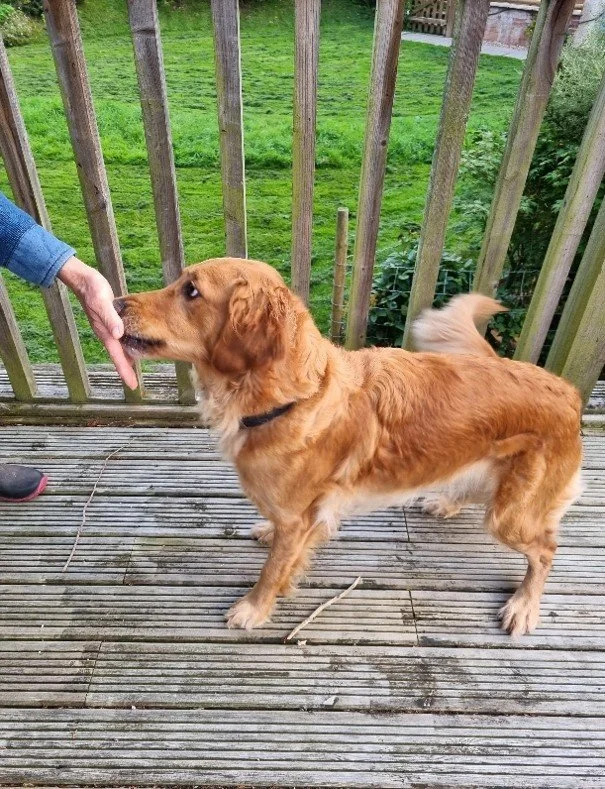
Cybil being not so good!
As your dog enters adolescence, the brain is still developing and adjusting to hormonal surges. Neural pathways that are not being used are pruned away, while others are strengthened so they can work more efficiently. In practical terms, this can leave a young dog seeming forgetful, inconsistent or full of surprising new behaviours.
At the same time, the parts of the brain involved in excitement, emotional responses and the "fight or flight" system are still maturing. That is why adolescent dogs can be impulsive, over-reactive and easily unsettled in new places or social situations. Peaks and troughs of testosterone and oestrogen can make it harder for them to focus on us and easier for them to be led by instinct.
Many teenage dogs also have enormous energy, a strong urge to explore and climb, and a keen interest in absolutely everything. They may want to play constantly, but they do not yet have the self-control or life experience to manage all that enthusiasm, particularly well.
All of these changes are part of what prepares a dog for independence. It may not always feel convenient for us, but it is a normal part of development.
How can we manage it?
There is a great deal we can do to help our young dogs come through adolescence happily and successfully.
A few things to remember
Stay positive. Frustration and despair will only confuse your dog and make things harder for both of you.
Lower your expectations, not your standards. Progress in training is rarely a straight line, especially during adolescence. Small steps are often the most effective.
Use management when you need to. Gates, leads, house lines and similar tools can make life much easier and help reinforce boundaries.
Accept that perfection is unlikely. Some days, your dog's response may be far from ideal. That does not mean the training is not working.
Keep things enjoyable. Play can be hugely helpful for building focus and connection.
Do not assume more exercise is the answer. A very fit dog can still be under-stimulated. Mental engagement is often far more useful. Sniffing games, brain games, and Free Work can all help, and they do not need to go on for long to be effective.
Be consistent. Your dog will not stay in this phase forever, and consistent training and handling really do make a difference.
Boundaries matter. Clear rules help keep your dog safe and give them a sense of security
Boundaries matter. Clear rules help keep your dog safe and give them a sense of security.
Notice the small wins. They count for a great deal, even if progress sometimes feels slow.
Practical strategies
Free Work is great for entertainment and fulfilment
One of the first things to consider is whether your young dog has been given too much freedom too soon. It is quite common for owners to remove the crate, house line or other management tools once a dog is housetrained, assuming they are no longer needed. Unfortunately, adolescence often has other ideas. Freedom is best earned gradually and increased only when your dog is ready to cope with it.
It also helps to offer plenty of safe sensory experiences, along with opportunities to lick, chew and sniff. Activities such as Free Work can help young dogs explore different textures, surfaces, heights, tastes and smells at their own pace. They are enjoyable, absorbing and surprisingly tiring, and they can also be useful when you need to redirect your dog away from less desirable behaviour.
Managing the environment can prevent a good many problems before they start. A barrier to stop counter surfing, for example, or a good chew in the bed instead of a determined attempt to dismantle the crate, can make everyday life much calmer.
It is also worth teaching alternative behaviours to replace the ones you would rather not see. Hand targeting, a reliable recall, "Look at me", or even simply changing direction on a walk can all help interrupt barking, rushing about or over-excited reactions. Short, regular training sessions and simple games give your dog something useful to do and more reason to stay connected with you.
Most importantly, try not to change the way you relate to your dog just because they are going through a difficult phase. Calmly reinforce the same rules and boundaries and keep giving them the support and structure they already know. Patience and understanding go a long way here. Your dog needs to know that you are steady, predictable and still very much on their side.
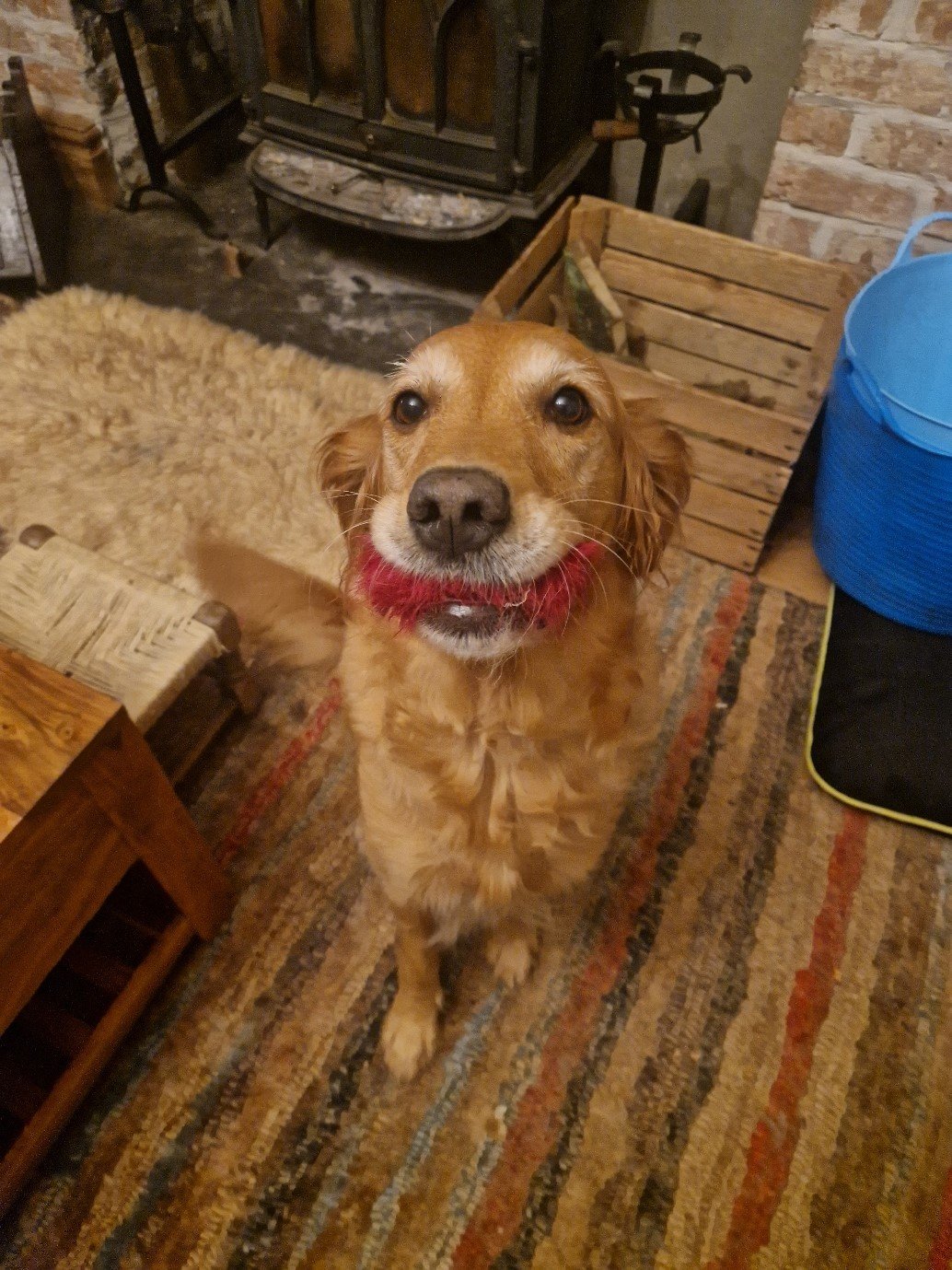
As I write this, I am watching Cybil starting to chew the zip off her bedding, so I suspect it’s time for a stuffed Kong!